Earlier Traditional Christmas in Ruthin
On Saturday 15th December. the Friends of
Nantclwyd y Dre will stage a traditional
Christmas in the venerable old house on Castle
Street. Friends will have decorated the house
with green cuttings sources from Ruthin
gardens very much as our ancestors would have
done a century ago. The Rotary Club will deliver
Father
Christmas to the
house at 2pm
where he will be
greeted by
musicians and
Santa will
receive his
young friends
throughout the
afternoon. In
the evening,
from 7pm
onwards there
will be carols in
the garden with
soup and
mulled wine. It will be a homely and pleasant
occasion very different from our modern and
commercial concept of Christmas.
Our concept of Christmas was created by
Dickens and Prince Albert who brought family
feasting and Christmas trees an cards together
but before them there were older and less
elaborate versions of Christmas many of whose
features have been forgotten.
My first encounter with a pre-Victorian
Christmas was
in 1971 when I
came across a
Tudor recipe for
mince pies.
Today's mince
pies contain a
minced mixture
of fruit and
spices wrapped
in pastry and
give off a
wonderful
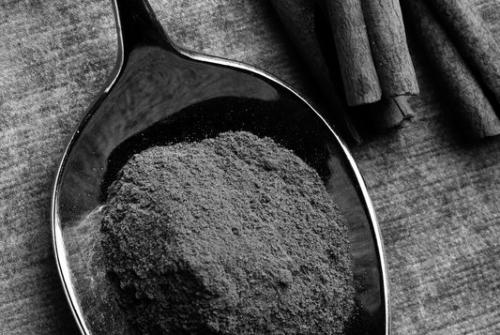
aroma of spices
respectably
cinnamon and
of l brandy if you are lucky. They are a heavy
dessert which fortifies as cold and dark days
embrace the world. The Tudor mince pie had
three things in common with our own: in the
first instance it was heavy, secondly its contents
were minced and wrapped in pastry and finally
it gave off a powerful aroma. There the
resemblance ended. The principal ingredient
was mutton and the added fruit and spices were
there to disguise a strong flavour and aroma
given off by meat killed several weeks earlier
and inadequately stored.
Christmas is today associated with feasting and
so it was in earlier times, as surplus animals
were slaughtered and the meat and fruit
harvest which could not be stored were
consumed. Up untiI Victorian times
communities lived close to starvation levels as
winter drew to an end but the great November
slaughter produced a surplus, some of which
had to be consumed quickly, and for centuries
before Dickens, feasting became synonymous
with December.
It was a time of enforced plenty and this
engendered celebration which became
intermingled with the joy of the nativity. While
the bulk of the population celebrated Christmas
with dishes made of offal and poorer cuts of
meat whose maturity may have required
disguising, the wealthier neighbours started
making special provision which over time
became an established custom. The best and
most general example of this was the way parts
of the rent at Christmastide was required to be
paid in poultry. Thus the occasional hen and a
goose at Christmas became a common feature
of tenancy agreements and were eventually
commuted to cash payments where landlords
were able to purchase produce more to their
liking suck as turkeys and swans as producers
responded to market demand.
It was a small step from compulsory payment of
poultry in kind to giving poultry as gifts to a
patron. In December 1664 Mr Greene of Ruthin
sent a
manservant to
Chirk Castle with
some turkeys
and another
Christmas
custom was
developed, as
the Myddeltons
of Chirk Castle
tipped the
manservant a
shilling for his
pains. In
December 1666,
Mr Greene’s
man bought a
turkey and geese and the long journey from
Ruthin to Chirk in the depths of winter was
rewarded with another shilling.
Adding spice to Wine became a Christmas
favourite. ln December 1680, Mr John Owen of
Ruthin, who kept the White Lion, was paid £6 for
wine and spice which suggests the Myddeltons
were throwing a Christmas party in Ruthin. Also
in 1654, the Myddeltons paid for “7 pintes of
muskadine” for the communion at Wrexham
and no doubt similar generosity was shown by
the gentry at
Ruthin.
There were
also
Christmas
ales. In 1682,
the Thelwalls
of Plas y Ward
bought
“lemons and
Orrenqes to
putt into the
Beare” and
this was a
simple recipe
much used in Wales producing a different beer
to that used during the remainder of the year.
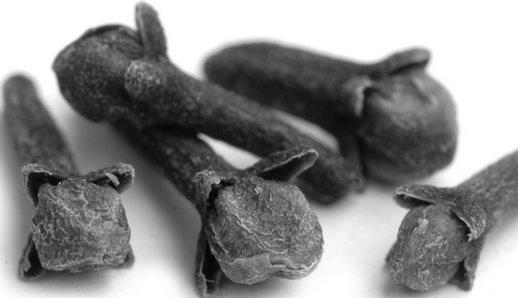
Cloves could also be added to the beer
producing a spicy beer and, as beer was much
cheaper than wine, Christmas beers could be
enjoyed by gentry, neighbours and servants and
was no doubt offered to all who called around
Christmas time.
'Fruit, currants, raisins and dried fruits were
available from shops as were spices and
imported sugar. Gentry households and no
doubt the senior town tradesmen and
craftsmen who copied the fashions of their
social superiors were developing a seasonal
cuisine to mark Christmas. This was
accompanied by carol singing, often of Welsh
carols, and sometimes a soloist or a group of
men would visit houses to sing carols and
receive money as appreciation.
'The Thelwalls of Plas y Ward just outside
Ruthin, as befits a leading family, went further
and at Christmas they gave barley rye and
wheat to “Bessy the Clochwydd” (the bell ringer)
perhaps for a special Christmas peal of bells,
and in 1613 the Myddeltons were entertained at
Christmas by fiddlers who received the princely
sum of five shillings. At the Nativity, gents did
not forget charity and in 1664 the Myddeltons
gave to the poor of Ruthin but forgot to
reimburse their agent until the following June!
By the mid-seventeenth century many of the
ingredients which make up our Christmas were
in place. Mulled wine, seasonal beer, mince pies,
fruit and spice and lots of food are evident as is
carol singing and music and givinig to good
causes. A Christmas in a seventeenth century
household in Ruthin would strike some chords
but would be less intense than today and
perhaps be all the more enjoyable for that.
In December 2012, GARETH EVANS looked back on geese, orange spiced beer and
mutton mince pies—the many forgotten versions of Christmas

Town and Around Current Edition
Town and Around Historic Contents
Contact Us
Ruthin Local Historic Society
Copyright © 2018 Ruthin & District Civic Association


